
The mastering of the 1980 Virgin/Atlantic album Doc at the Radar Station, which includes my first-ever appearance on a major-label album, performing the Don Van Vliet instrumental composition "Flavor Bud Living" solo, was a complicated affair.
Mastering is a very important step in the process of realizing the finished black vinyl album, all dressed up in a shiny, attractive cover packaging for sale in the marketplace, and eventually placed lovingly on a turntable by music fans. It’s an end-stage refinement, a goosing of the mixed-down two-track quarter-inch master tape for optimal playback at home, preferably on a good stereo system; basically, a tweaking of the final submitted master tape for maximum oomph in the ear of the beholder. Refinements added in the mastering process include additional EQ, reverb, and volume adjustments, plus compression where needed, with the result next to be inscribed by a cutting lathe digging one big concentric groove into the gleaming surface of a blank lacquer disc — the master template for metal stampers to be manufactured and sent out to the record plant to pump out multiple vinyl album copies. For audiophiles, a well-mastered vinyl album was like, umm, ice cream for crow, boasting crystal-clear sonics that seemed to leap out of your stereo speakers in an almost 3D reproduction of the music on record — and mastering engineers like Bob Ludwig and Bernie Grundman became legends.
In spring 1980 our recording and mixing engineer Glenn Kolotkin, who had toiled for months with Don and the guys to get a really well-recorded album in the can at Soundcastle Studios in Glendale, California, convinced us to take care of this all important mastering job back in Manhattan at CBS Records Mastering Studios —essentially a garage, which at the time was located right next to my place of employmentat at Black Rock on West 52nd Street, where I tolied as a copywriter for CBS Records — and to have this operation done on CBS's spiffy new Discomputer Cutting Lathe, supposedly the state of the art in the field, with micro-adjustments to the abolute sound made by computer.
Don and his wife Jan flew in from the desert, and I rented a car and picked them up at JFK, acting as their chauffeur (another managerial duty — my then wife Ling and I were Don’s de facto managers during that period, as he trusted we had his best interests at heart — which we did). Early the next night, I drove them over to the Mastering Studio, where we met Glenn (a really good guy) and the troll in charge of mastering our album and operating the Discomputer. The dude who handled this critically important operation was literally a middle-aged semi-inebriated "wild and crazy guy" named Stanley, who didn't get the music at all (naturally), laughed incessantly and tortured Don Van Vliet mercilessly throughout the session, who after listening through the album repeatedly began singing "I vent to see da Gypsy Vo-mannn" in a grotesque parody of the Beefheart singing voice, while futzing with the controls of this new disco-contraption.
Stanley set the mastering levels too high on the first pass, and Don’s recorded voice proved too extreme to track during "Hot Head," the first number on Doc at the Radar Station. A "chip fire" broke out midway through the first song, melting hot PVC that piled up all over the diamond-tipped cutting stylus, which jammed at that point in the song and ceased moving, refusing to inscribe the groove further, rendering this first pass useless. (Shades of Don blowing up a ribbon microphone while laying down the vocals for “Electricity” on the very first Beefheart album, Safe As Milk, in 1967 due to the sheer power of his voice. You can actually hear the mic break up and disintegrate near the end of the song, when he sings: “Eeeeeeeeee-lek-triiciteeeeeeee!"
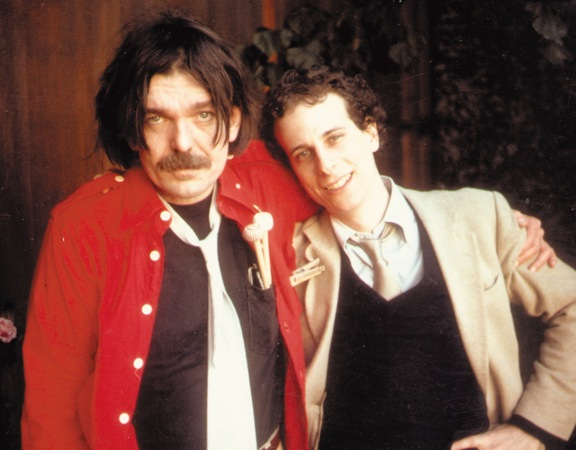
Don freaked. He look worried and started sweating, He was normally, imperiously, cool as a cucumber and in control of most life situations unfolding around him (easy when you live in the Mojave Desert) — except when he collided with mainstream music biz functionaries in NY, LA, and London — and now he was at the mercy of this clown, this "human paraquat" (to quote The Dude in The Big Lebowski, who dug Beefheart). We'd put such care into the realization of this album, and this fucker literally did not get Don or his music, couldn't care less in fact, and seemed hell-bent on screwing up the final stage here.
Don literally laid it on the line and pleaded with him:
"Sir! Don't you understand that this album may be the LAST FAIR DEAL GOING DOWN??"
I don't think I ever saw Van Vliet desperate like this, ever. Don seemed to have no ability or agency to King Canute-like roll back the rising tide of bullshit that threatened to engulf him at this moment.
The guy just smiled uncomprehendingly at Don as if he didn’t understand what Don was worried about. Glenn quickly intervened and suggested we break for a drink at a watering hole across the street.
So we took Stanley across the street to his favorite bar in an attempt to humor/pacify the guy into cutting the crap and doing his job properly. Stanley knocked back a few more, which seemed to calm him down. And when we got back to the studio, he eventually cut an acceptable master for us on the mighty CBS Discomputer Cutting Lathe.
Saved!
The album came out a few months later to spectacular reviews (thank you, Charles Shaar Murray, among others).
The week of release, though, Atlantic severed its distribution ties with Virgin Records, and the album literally disappeared from retail shelves overnight.
We had a UK and European tour that autumn, which was a triumph, with audiences and critics alike hailing a return to form for Captain Beefheart and the Magic Band--but good luck finding the album at the Virgin Megastore on Oxford Street in London.
That was my first taste of hard knocks in the music biz...and it was not going to be my last, not by a long chalk.
They say what doesn't kill you makes you stronger.
I'd had a taste of the poison of show-business — the endless cycle of recording and touring and promoting and publicizing, and then doing it all over again — the whole vampire circus.
And despite the defeat of our superb album ultimately crashing and burning due to a situation beyond our control, I enjoyed the whole experience. I felt alive in contrast to the deadness I felt as an employee of the corporation.
It got me adrenalized, and higher than any drug I'd ever taken — and I wanted more.
“I can't go on. I’ll go on.” - Samuel Beckett, The Unnameable
And I'm still here to tell the tale.